Constructions forIndustrial Rough Surfaces
Open any product code for the full specification and the verified case where available.
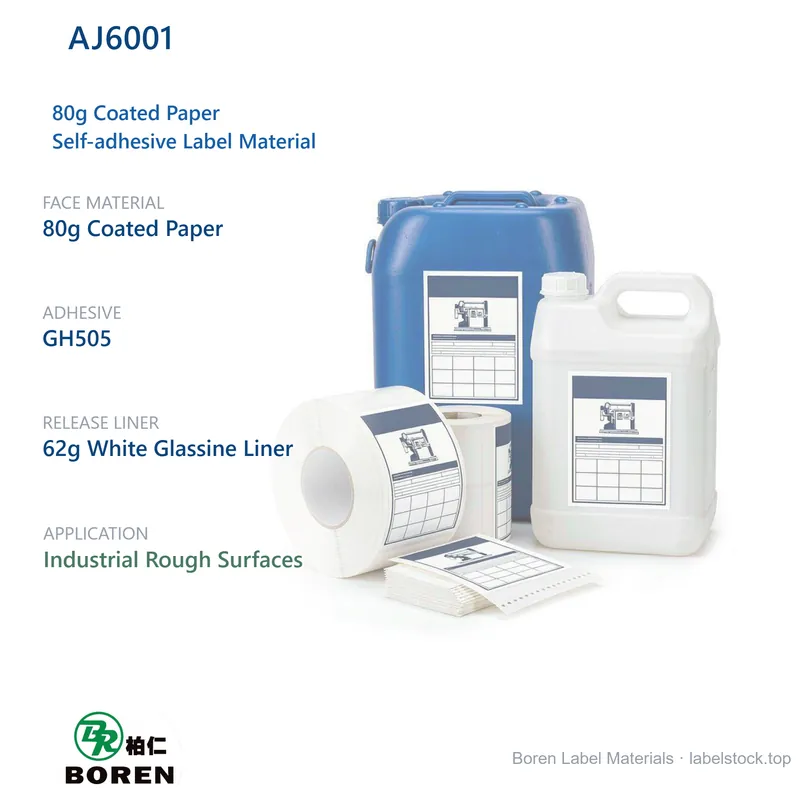 AJ6001
80g Coated Paper · Hot Melt
62g White Glassine Liner · Back Printing
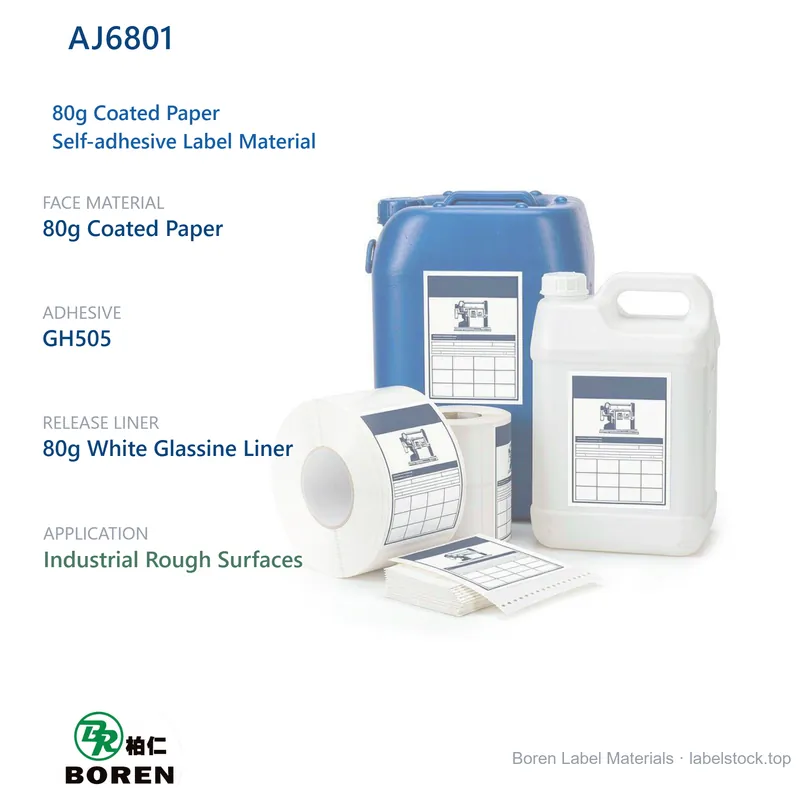 AJ6801
80g Coated Paper · Hot Melt
80g White Glassine Liner · Back Printing
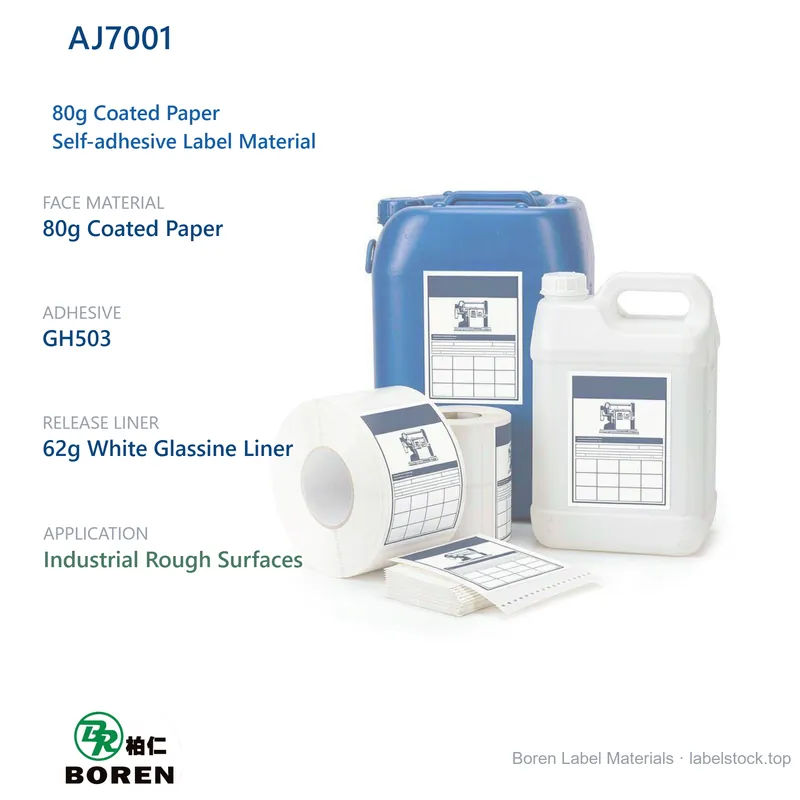 AJ7001
80g Coated Paper · Hot Melt
62g White Glassine Liner · Back Printing
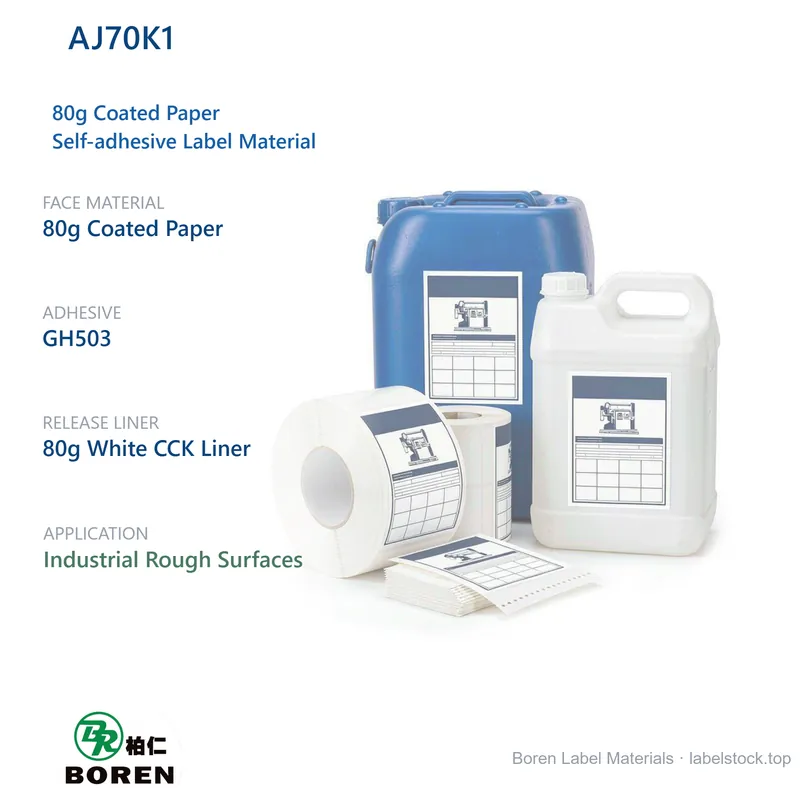 AJ70K1
80g Coated Paper · Hot Melt
80g White CCK Liner · Back Printing
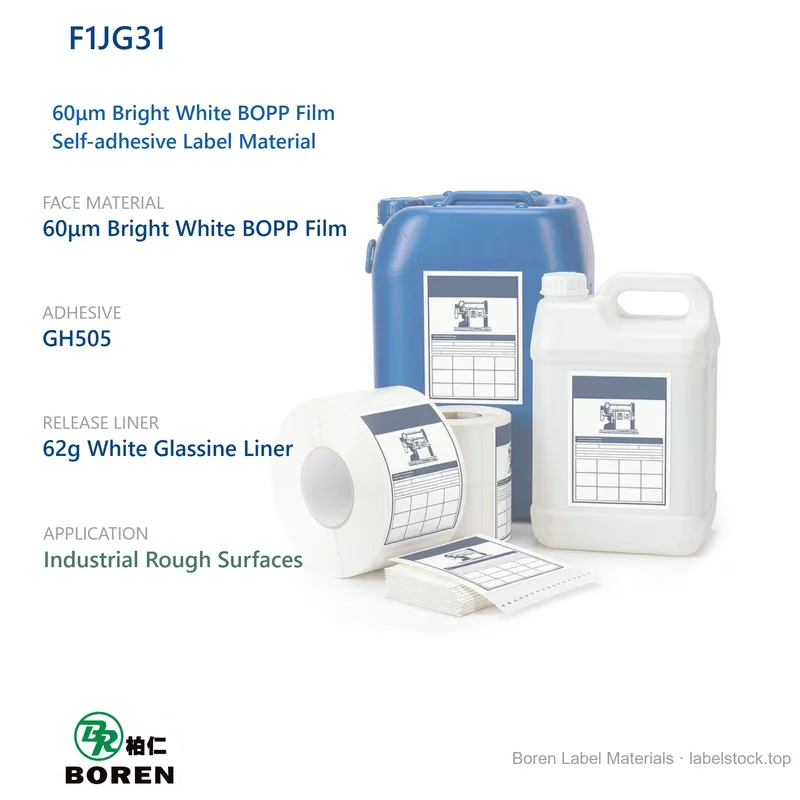 F1JG31
60μm Bright White BOPP Film · Hot Melt
62g White Glassine Liner · Back Printing
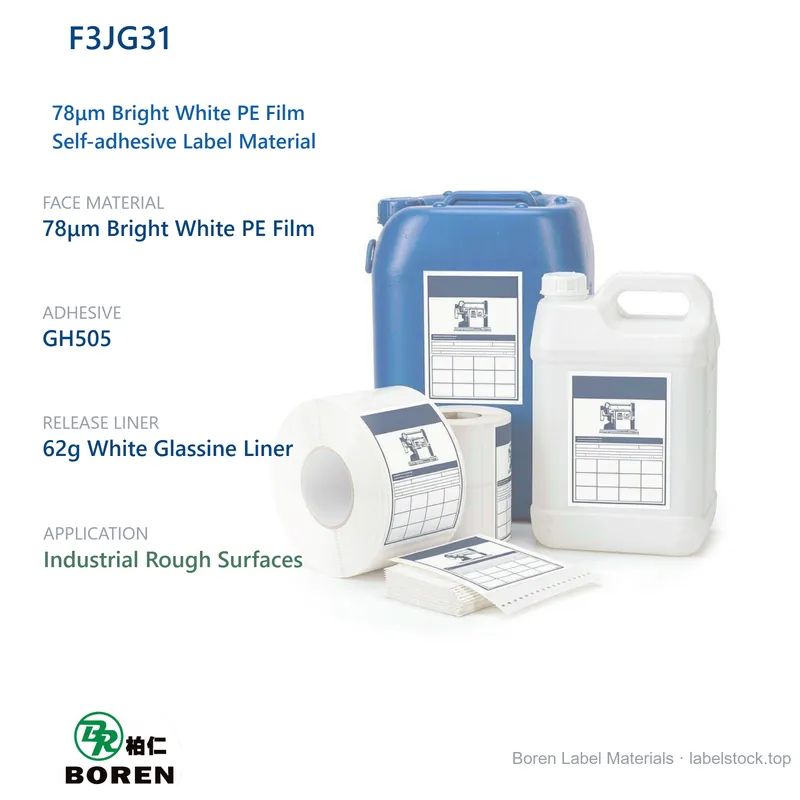 F3JG31
78μm Bright White PE Film · Hot Melt
62g White Glassine Liner · Back Printing
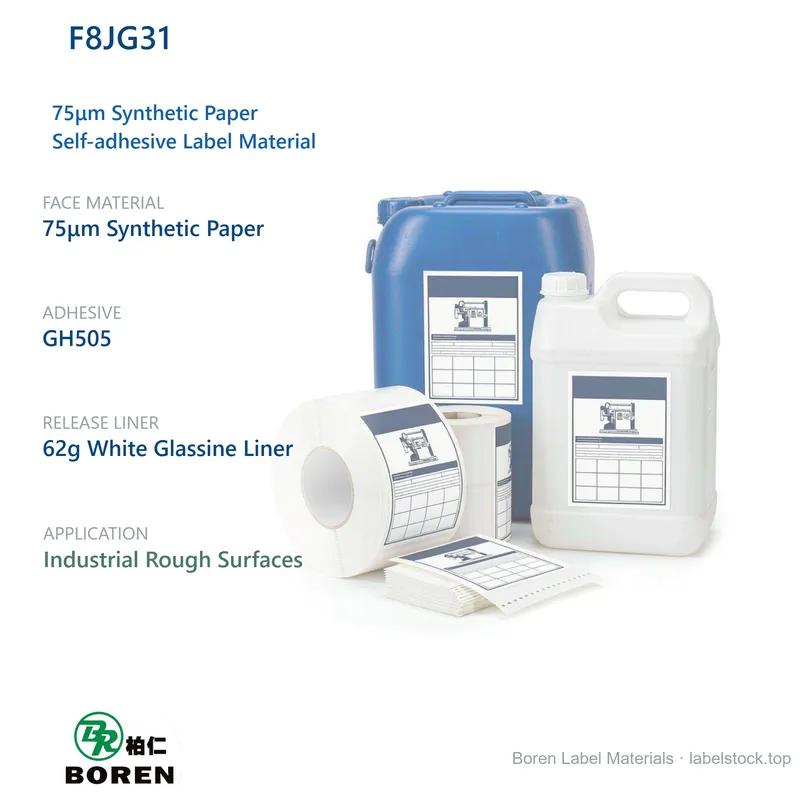 F8JG31
75μm Synthetic Paper · Hot Melt
62g White Glassine Liner · Back Printing
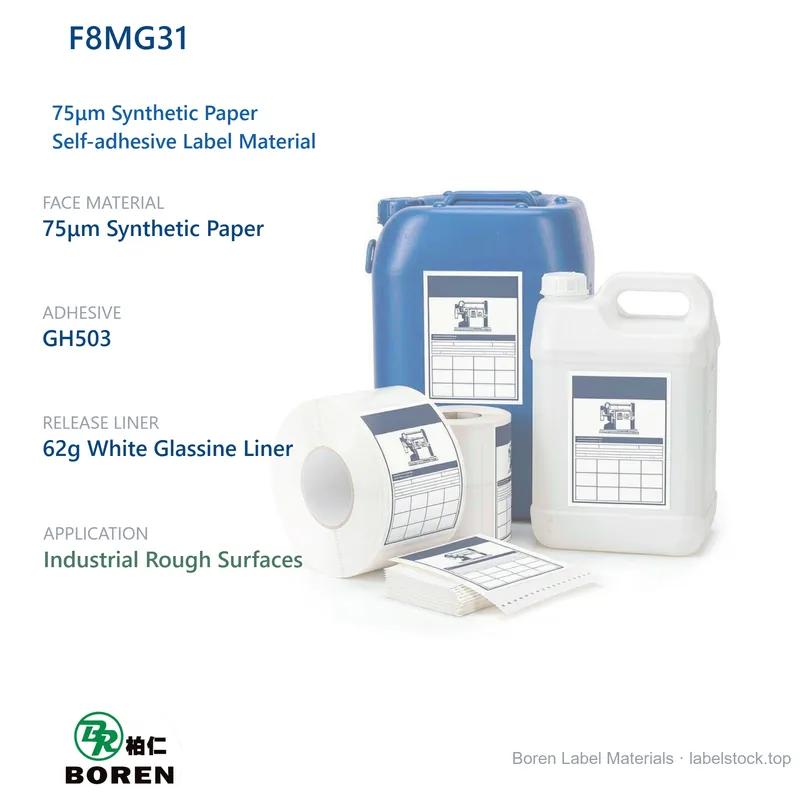 F8MG31
75μm Synthetic Paper · Hot Melt
62g White Glassine Liner · Back Printing
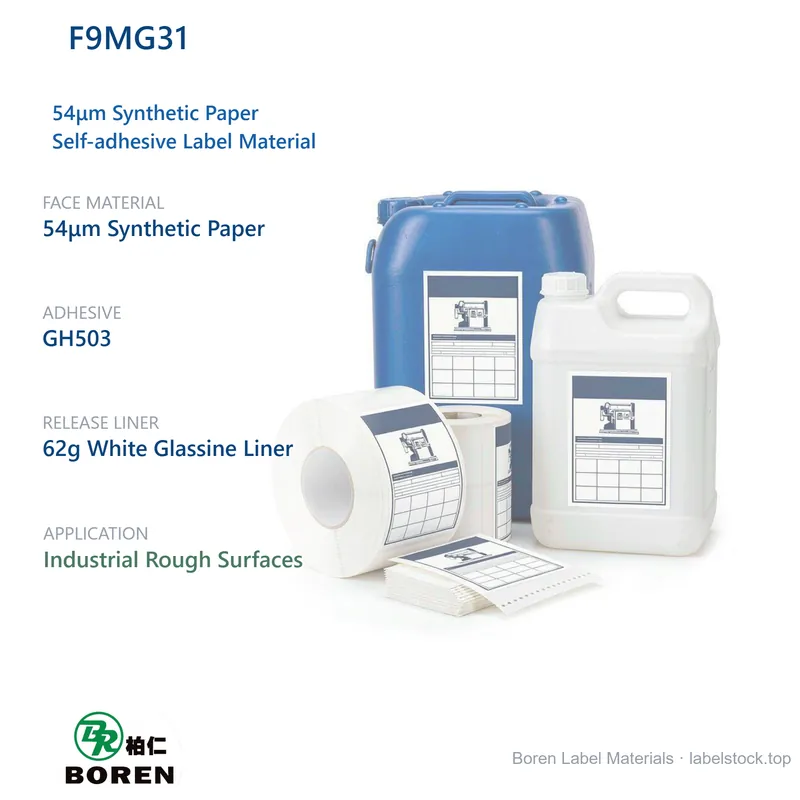 F9MG31
54μm Synthetic Paper · Hot Melt
62g White Glassine Liner · Back Printing
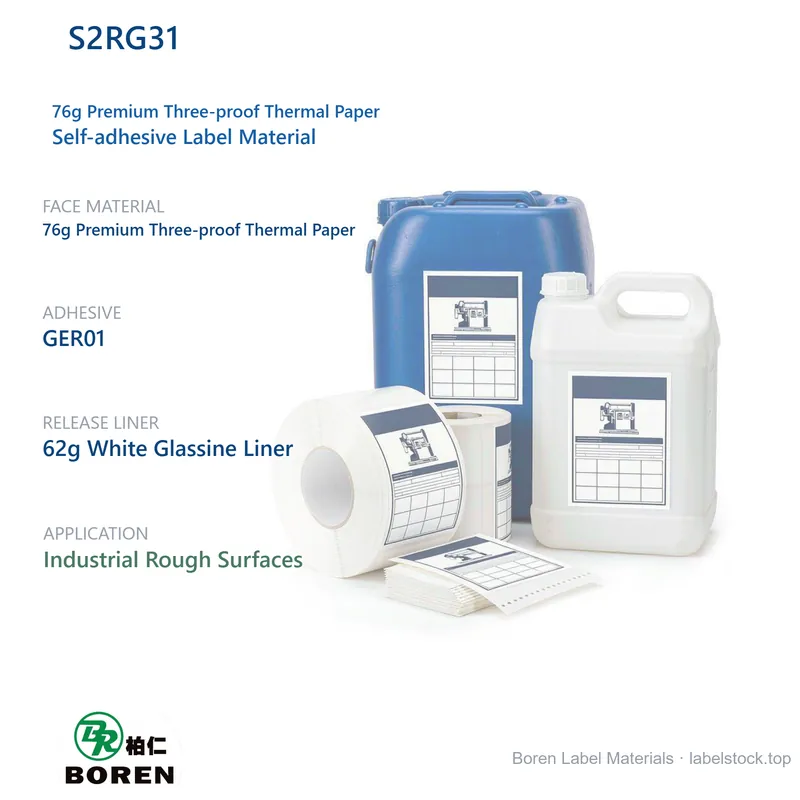 S2RG31
76g Premium Top-coated Thermal Paper · Removable
62g White Glassine Liner · Back Printing
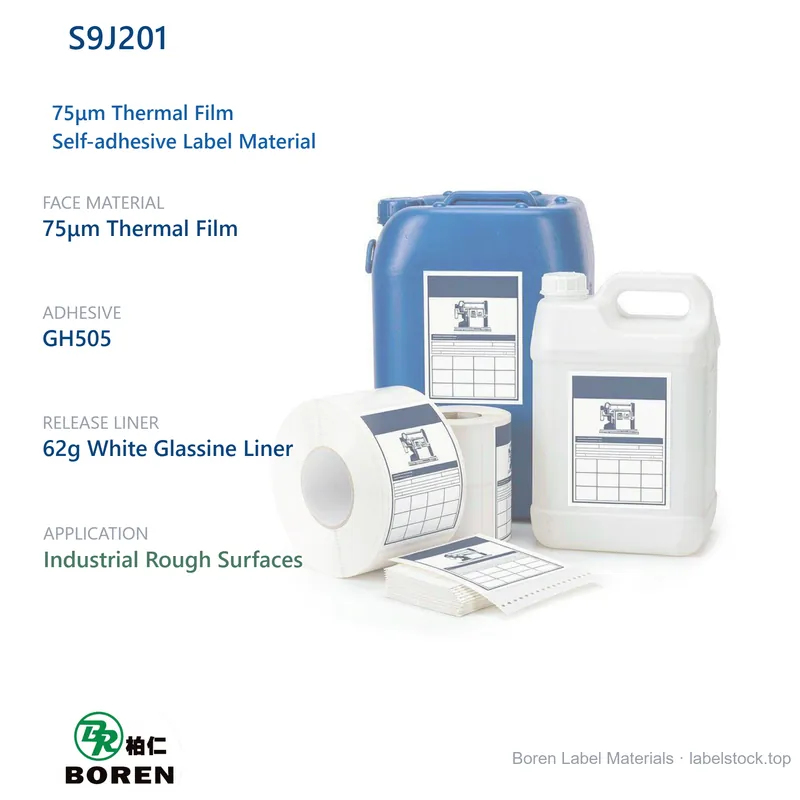 S9J201
75μm Thermal Film · Hot Melt
62g White Glassine Liner · Back Printing
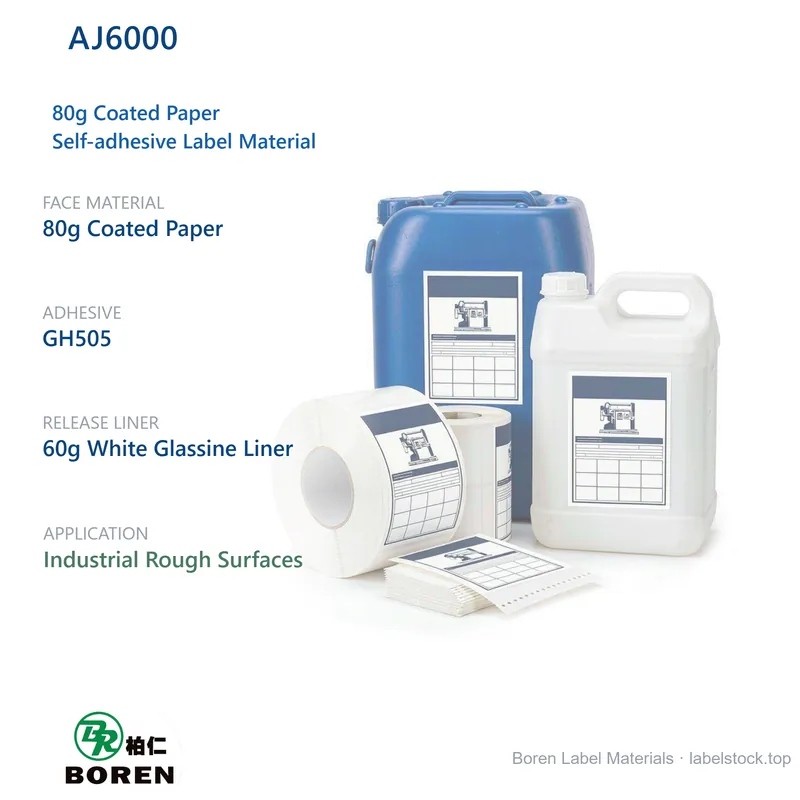 AJ6000
80g Coated Paper · Hot Melt
60g White Glassine Liner · No Back Printing
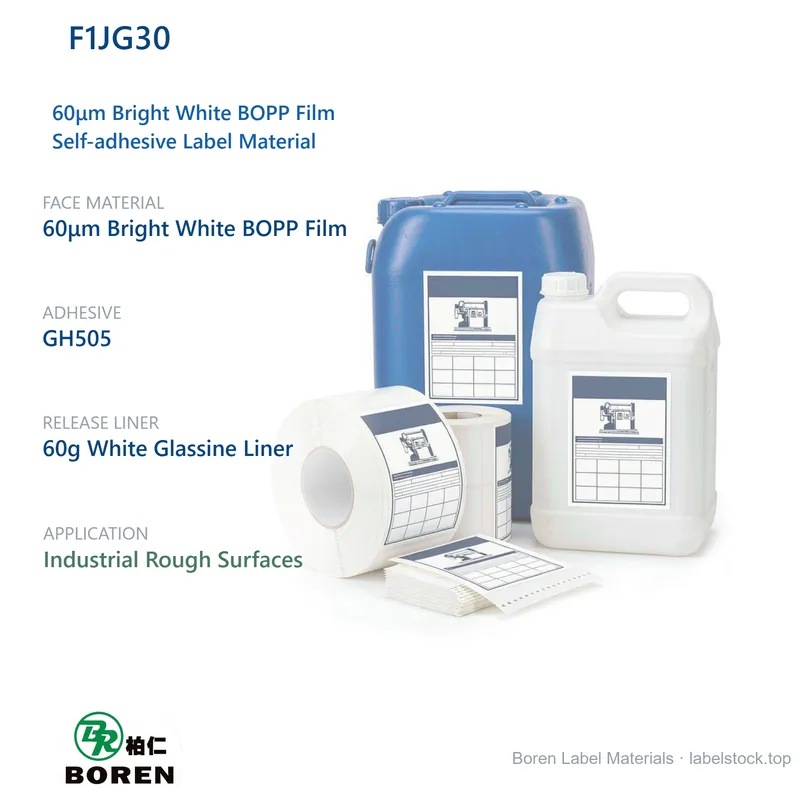 F1JG30
60μm Bright White BOPP Film · Hot Melt
60g White Glassine Liner · No Back Printing
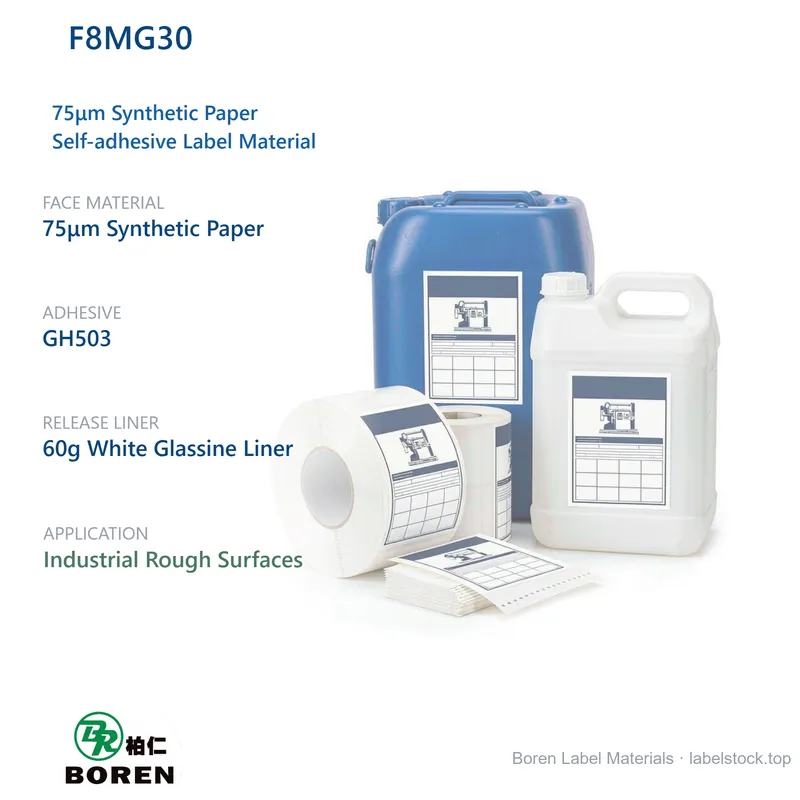 F8MG30
75μm Synthetic Paper · Hot Melt
60g White Glassine Liner · No Back Printing